Singapore Mahjong Rules
The complete how-to-play, written for someone who already knows the basics of any mahjong variant. If you're brand new, jump to the beginner section.
The tile set — 148 tiles
Characters (萬) 1–9 — four copies each:









Bamboo (索) 1–9:




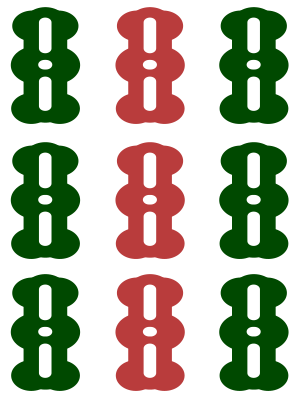
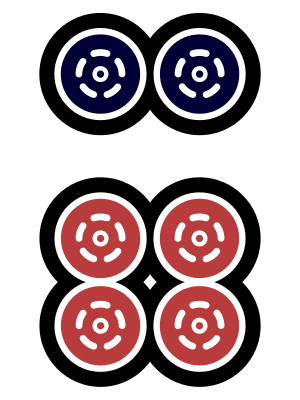
Dots (筒) 1–9:








Winds (East 東, South 南, West 西, North 北) × 4 each:




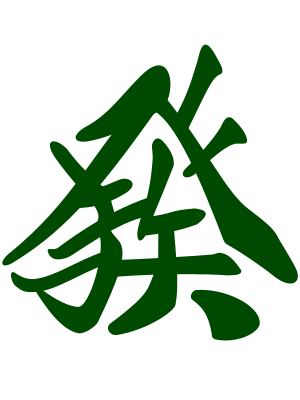
Dragons (Red 中, Green 發, White 白) × 4 each:


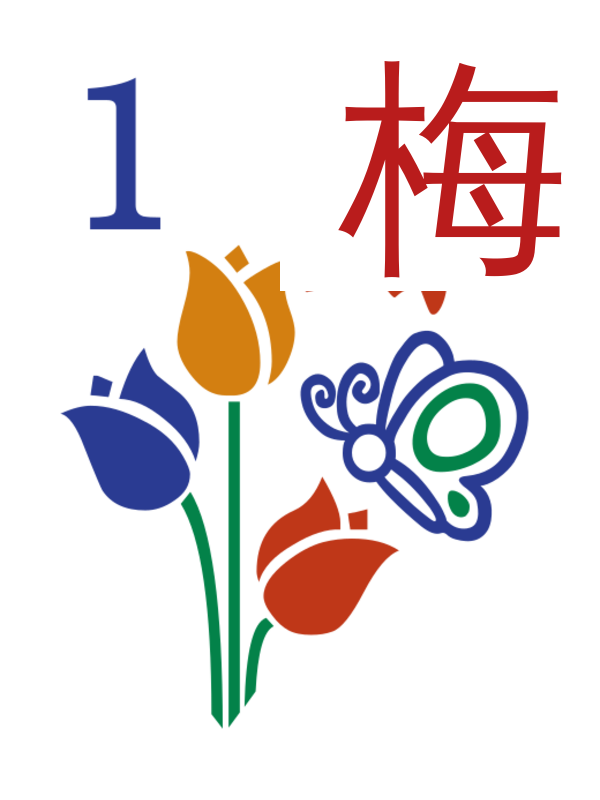
Flowers (plum, orchid, chrysanthemum, bamboo) and seasons (spring, summer, autumn, winter) — one of each, owner-tagged 1=East, 2=South, 3=West, 4=North:
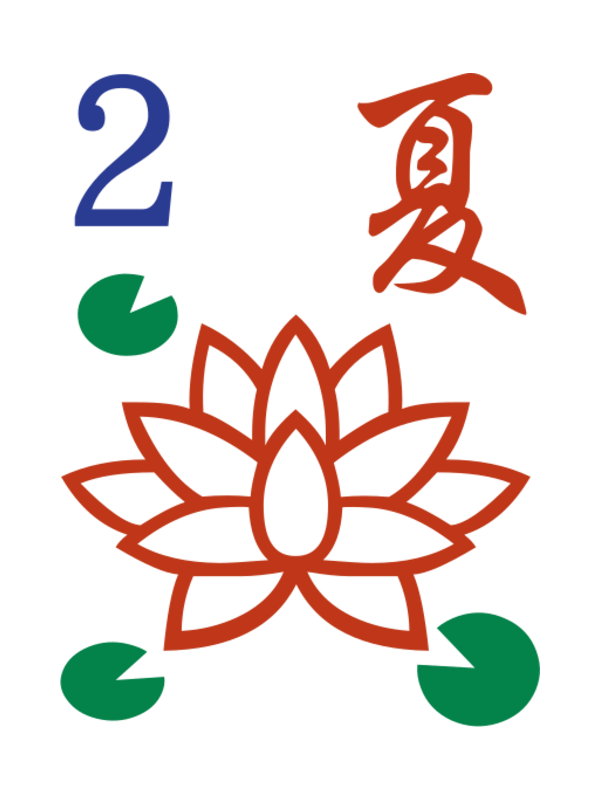
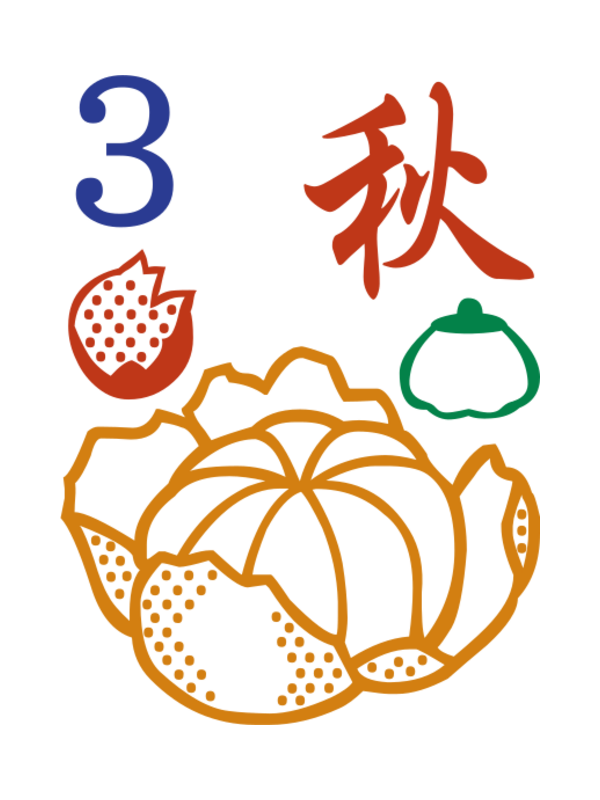
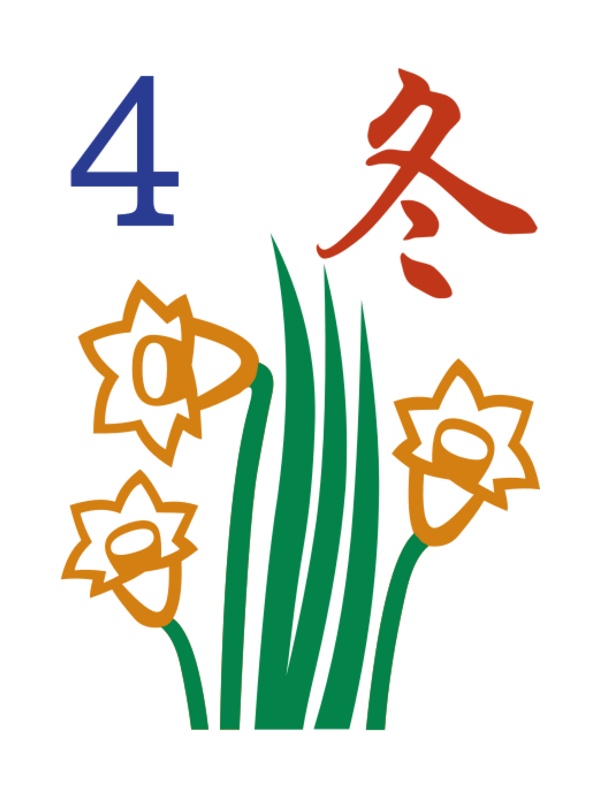
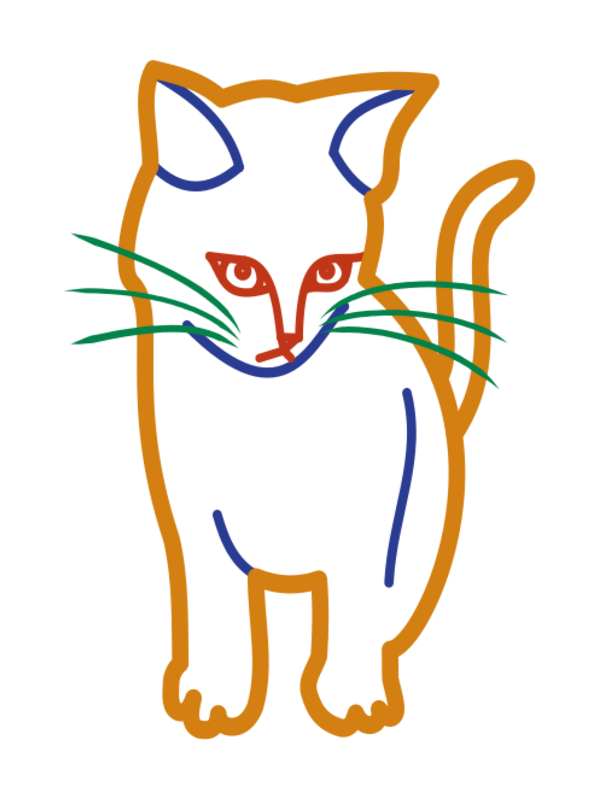
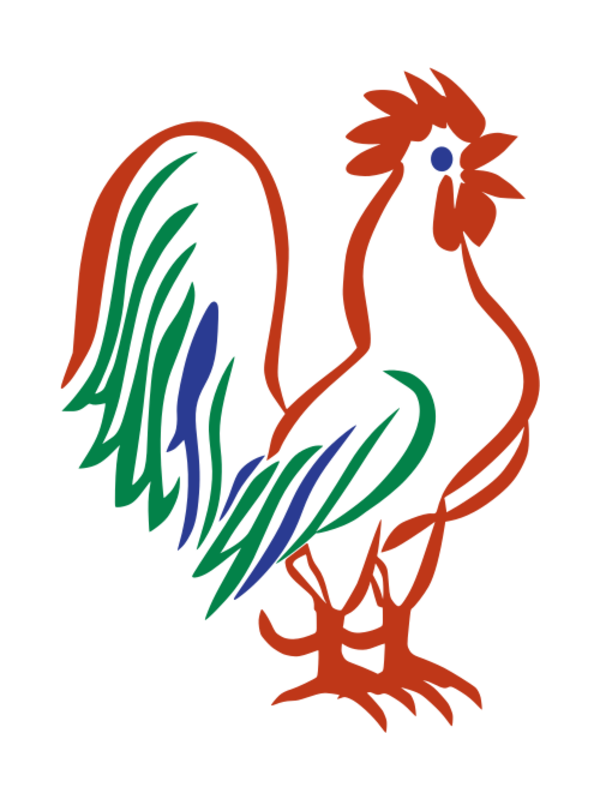
Animals — Singapore-only. Cat eats rat, cockerel eats centipede:


Goal of the game
Be the first to assemble a winning hand of four sets and one pair (the "eye"). A set is one of:
Chow — three consecutive tiles in the same suit:
4-5-6 of dotsPong — three identical tiles:
three red dragonsKong — four identical tiles. Counts as one set but draws a replacement:
four 1-bamboosEye (pair) — two identical tiles:
east-wind pairBonus tiles (flowers, seasons, animals) sit aside — they aren't part of the four sets but add tai points.
Setup and dealing
- Build the wall: each player stacks 18 columns × 2 tiles. The four walls form a square (148 ÷ 4 = 37 each).
- The starting banker is determined by dice rolls; the banker's seat is East.
- Deal 13 tiles to each player. The banker draws a 14th tile to start.
- Anyone holding a flower, season, or animal tile in their starting hand reveals it and draws a replacement from the back of the wall. Repeat until no bonus tiles remain in any hand.
Turn flow
On your turn, in order:
- Draw one tile from the live (front) end of the wall. If you draw a flower, season, or animal, declare it and draw a replacement from the back of the wall — repeat until you draw a normal tile.
- You may then either declare a win (if your 14-tile hand qualifies) or discard one tile face-up to the table.
- After your discard, opponents have a brief window to claim it.
Claiming a discard
When a tile is discarded, other players may interrupt the normal turn order to claim it. Priority order, highest first:
- Win (mahjong) — anyone who can complete a winning hand with this tile. They reveal their hand and the round ends.
- Kong — any player who has three identical tiles and the discard is the fourth. They expose the kong, draw a replacement, and discard.
- Pong — any player who has two identical tiles. They expose the pong and discard.
- Chow — only the player to the discarder's right can claim a chow. They expose the run and discard.
If multiple players claim the same tile, win beats kong/pong, kong/pong beats chow.
Concealed (in-hand) kong
If you draw the fourth copy of a tile you already hold three of, you can declare a concealed kong on your turn. You expose all four, draw a replacement, then discard. Robbing the kong: if a different player can win on the tile you're using to extend an exposed pong into a kong, they may "rob" it by declaring win on that tile (counts +1 tai).
Winning
Two ways to win:
- Self-draw (zi mo, 自摸): The tile you just drew completes your hand. All three other players pay double the base.
- Discard win: You complete your hand on someone else's discard. The discarder pays double, the other two pay normal.
You must have at least 1 tai to win (default minimum). A "chicken hand" (zero tai) is not a win.
Special wins outside the standard shape
- Eight Flowers (八仙过海): Collect all four flowers and all four seasons. Instant win.
- Seven Flowers (七星伴月): Seven of the eight flowers/seasons plus a self-drawn pair to complete.
- Thirteen Wonders (十三幺): One of every 1, 9, wind, and dragon, plus a pair of any one of them.
- All Dragons (大三元): Three pongs/kongs of all three dragons.
- All Winds (大四喜): Four pongs/kongs of all four winds.
End of round and end of game
If the wall runs out (typically the last 14 tiles aren't drawn — they're the dead wall) and no one has won, it's a "drawn game" — no payouts. The banker rotates only if East didn't win; if East wins, East stays banker. After everyone has been banker once, you've completed one wind round. A full game is four wind rounds (East, South, West, North).